
Reliability
Cadillac CT5-V twin-turbo oil leaks: GM tells dealers when to replace turbos
GM says some 2024-2026 CT5-V sedans leak oil at the turbocharger clamps within the first one or two oil changes. Its bulletin sets out when the turbos are replaced under warranty.
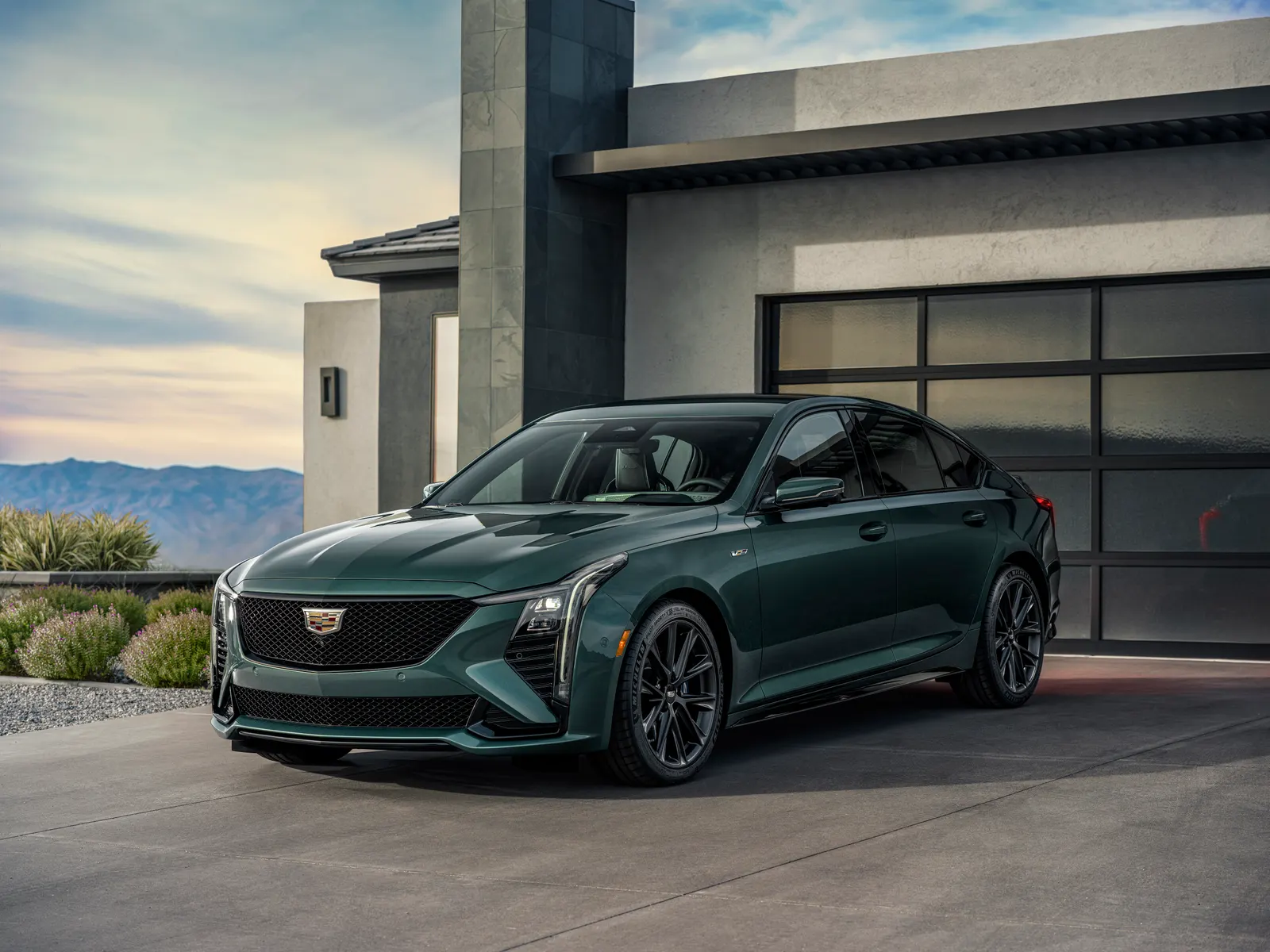
General Motors has told dealers that the twin-turbocharged V6 in the Cadillac CT5-V can leak oil at the clamp bands on its turbochargers, often very early in the car's life. The preliminary bulletin, PIP6094A, was revised on September 3, 2026, to add the 2026 model year and filed with the National Highway Traffic Safety Administration a week later. GM is still looking for the cause, but the bulletin spells out when the turbochargers should be replaced under warranty.
Which cars
The bulletin covers 2024-2026 CT5-V sedans with the 3.0-liter twin-turbo V6, engine code LGY, which the CT5-V rates at 360 hp and 405 lb-ft of torque. Regular CT5 models are not on the list, including those with the 335-hp version of the same engine, and neither is the CT5-V Blackwing with its supercharged V8. GM first issued the bulletin in December 2025.
What GM has found
The leak typically shows up early, within the first one or two oil change intervals, and in most cases both the left and right turbochargers seep at their clamp bands. The bulletin says the specific cause is still under investigation.
How dealers decide
GM gives technicians a set path:
- Diagnose any stored trouble codes first.
- If there is smoke from the exhaust, look for another source of oil, since that can point to a problem beyond the turbochargers.
- Check oil consumption. GM counts more than one quart lost in under 2,000 miles as low. If the car is using that much, the leaking turbochargers are replaced.
- If oil use is normal, the technician wipes the area clean and drives about 30 miles. If the leak returns, the turbos are replaced. If not, the car goes back to the owner, and the turbos are replaced if the leak comes back later.
GM warns that a leak may reappear after as little as 10 to 20 miles or only after several thousand. When a turbocharger is replaced, the gaskets and the oil feed and return lines attached to it must be replaced as well. The work is billed to the powertrain warranty, which Cadillac sets at six years or 70,000 miles.
Why it is worth catching early
A small seep at a clamp band is not an emergency on its own, but oil loss adds up, and a car that runs low on oil risks damage that no bulletin covers. The bulletin's own threshold, a quart in less than 2,000 miles, gives owners a clear number to track. Keeping a record of how much oil you add, and when, turns a vague complaint into something a dealer can act on.
Owner brief
What it means for owners
- Look and smell. Oily residue around the turbochargers, a burning-oil smell after a drive or drips under the front of the car are worth reporting.
- Track oil top-ups. Check the oil level between changes and write down every top-up with its mileage. That is the evidence GM's decision path relies on.
- At the dealer: mention PIP6094A. If the first visit ends with a wipe-down and no repair, ask for the visit to be recorded on a repair order so a return trip is documented.
- Smoke is different. GM treats exhaust smoke as a sign of a separate problem. Have it diagnosed promptly.
- Coverage: a 2024-2026 CT5-V is well inside the six-year/70,000-mile powertrain warranty, and the turbocharger work goes through that coverage.
- Buying a used CT5-V? Ask whether the turbochargers have been replaced, and have the inspection check for oil around them.

Dashbird tip
Topping up oil between changes? Log each top-up with its mileage in the service history in Dashbird, so you can show the dealer whether the car crosses GM's one-quart-in-2,000-miles line.