Technology
False side-object alerts on 2026-2027 Cadillacs traced to radar software
A GM bulletin says a software flaw in some short-range radar sensors can set off blind-zone warnings with nothing nearby. Dealers replace affected sensors, and some spares are affected too.
General Motors has told dealers that a software flaw inside some short-range radar sensors can make side-object and blind-zone warnings go off when nothing is next to the vehicle. The preliminary bulletin, PIT6533B, lists several 2026 and 2027 Cadillacs. Its third version, revised on August 27, 2026, and filed with the National Highway Traffic Safety Administration in early September, sets out how dealers find and replace the affected parts.
Which Cadillacs are listed
- 2026 CT5
- 2026 Escalade and Escalade ESV
- 2026-2027 Escalade IQ and Escalade IQL
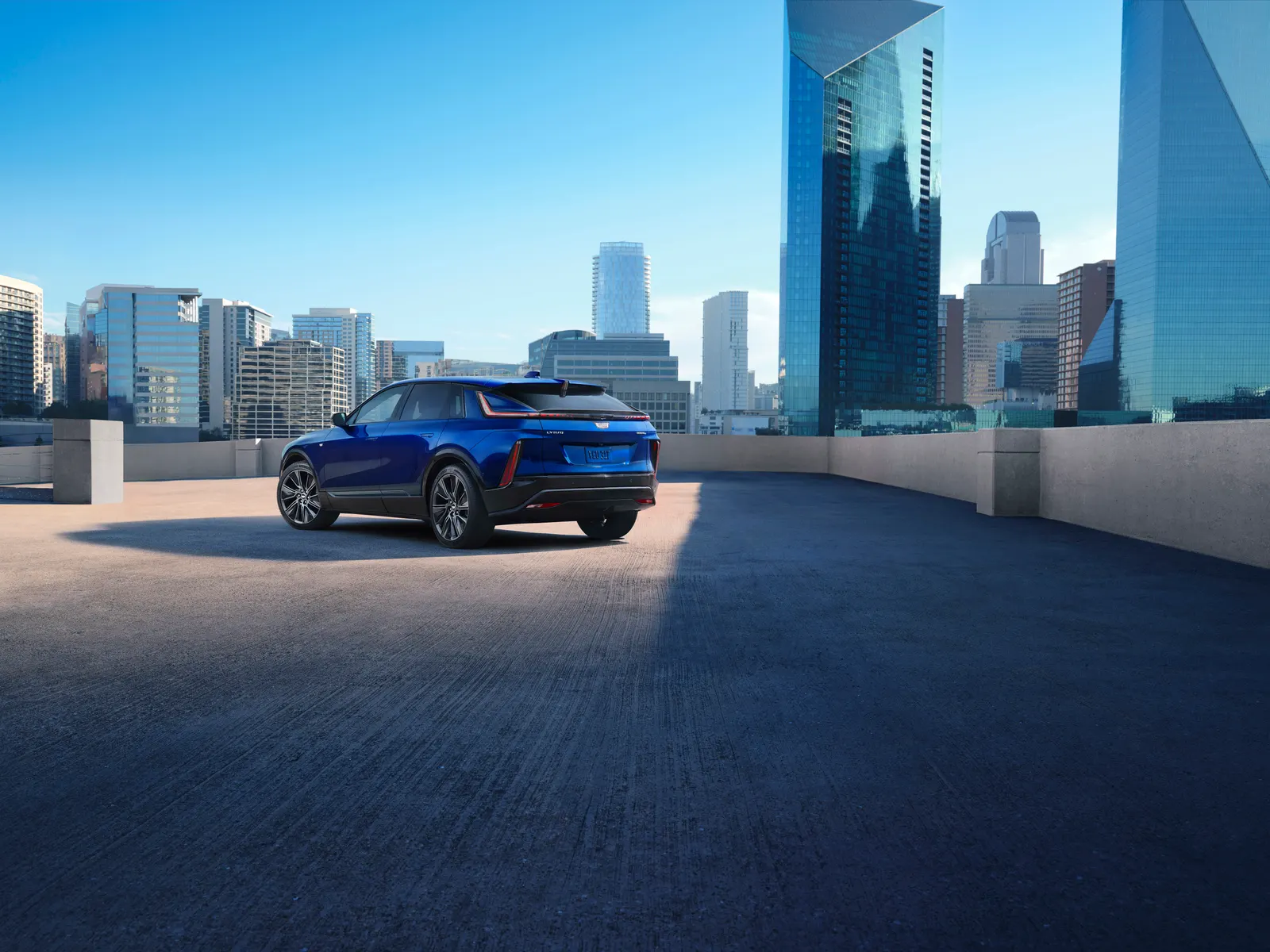
- 2026-2027 Lyriq
- 2027 Vistiq
The bulletin also covers 2026 and 2027 models from Buick, Chevrolet and GMC, including the Tahoe, Suburban, Yukon, Traverse, Acadia and Silverado EV.
What owners notice
The short-range radars sit behind the bumper covers and watch the areas beside and behind the vehicle. They feed side-object warnings such as blind-zone alerts. With the flaw, a driver may see the warning light in a side mirror, or hear an alert, with no car or object anywhere near. GM says the false alerts can also appear after a collision repair in which radars were replaced, because some replacement parts carry the same software problem.
How dealers fix it
This bulletin does not offer a software update. Instead, the dealer opens a case with GM's Technical Assistance Center and supplies the sensor's trace ID, a code on its label, or a photo of it. If GM confirms the sensor is one of the affected units, it is replaced with the latest part number. Because some parts in dealer stock are also affected, GM tells technicians to have the replacement's trace ID checked before installing and programming it.
The bulletin adds two cautions. The radars at different corners look identical but carry different part numbers, and they may have been swapped during an earlier repair, so each one has to be checked against its position. Each radar must also face the right way: the emitting side, which carries no labels, points outward, and the labeled side faces the vehicle.
The work is billed to the bumper-to-bumper warranty.
Why it matters
A warning that goes off for no reason is more than an annoyance. Drivers who learn to ignore a blind-zone light may also ignore it when a car really is there. Getting the faulty sensor replaced restores a warning that drivers can trust again.
Owner brief
What it means for owners
- Who is affected: owners of the models above who get side-object alerts with nothing nearby, or whose alerts started after body work.
- Until it is fixed: check mirrors and look over your shoulder before changing lanes, rather than trusting the warning light either way.
- Rule out the simple causes: mud, snow or ice on the rear corners of the bumper can also upset the sensors, so clean them first.
- At the dealer: mention bulletin PIT6533B and say whether the vehicle has had collision repair. Ask the dealer to confirm the trace IDs of both the old and new sensors with GM.
- After an independent body shop repair: ask the shop which radar part numbers it installed and in which positions, and pass that on to the dealer.
- Cost: these model years should still be inside Cadillac's four-year/50,000-mile bumper-to-bumper warranty unless the mileage is high.

Dashbird tip
When a radar sensor is replaced, add the visit and mileage to the service history in Dashbird, so the repair is on file if the false alerts come back.